'%3e%3cg%20clip-path='url(%23clip1_0_282)'%3e%3cg%20clip-path='url(%23clip2_0_282)'%3e%3cpath%20d='M20%2039.5C30.7696%2039.5%2039.5%2030.7696%2039.5%2020C39.5%209.23045%2030.7696%200.5%2020%200.5C9.23045%200.5%200.5%209.23045%200.5%2020C0.5%2030.7696%209.23045%2039.5%2020%2039.5Z'%20stroke='white'%20stroke-width='0.5'/%3e%3cmask%20id='mask0_0_282'%20style='mask-type:luminance'%20maskUnits='userSpaceOnUse'%20x='11'%20y='7'%20width='18'%20height='33'%3e%3cpath%20d='M28.2%207H11V39.2H28.2V7Z'%20fill='white'/%3e%3c/mask%3e%3cg%20mask='url(%23mask0_0_282)'%3e%3cpath%20d='M27%2024.8L27.9%2019.2H22.6V15.3C22.6%2013.7%2023.2%2012.5%2025.6%2012.5H28.2V7.4C26.8%207.2%2025.2%207%2023.8%207C19.2%207%2016%209.8%2016%2014.8V19.2H11V24.8H16V38.9C17.1%2039.1%2018.2%2039.2%2019.3%2039.2C20.4%2039.2%2021.5%2039.1%2022.6%2038.9V24.8H27Z'%20fill='white'/%3e%3c/g%3e%3c/g%3e%3c/g%3e%3c/g%3e%3cdefs%3e%3cclipPath%20id='clip0_0_282'%3e%3crect%20width='40'%20height='40'%20fill='white'/%3e%3c/clipPath%3e%3cclipPath%20id='clip1_0_282'%3e%3crect%20width='40'%20height='40'%20fill='white'/%3e%3c/clipPath%3e%3cclipPath%20id='clip2_0_282'%3e%3crect%20width='40'%20height='40'%20fill='white'/%3e%3c/clipPath%3e%3c/defs%3e%3c/svg%3e)
'%3e%3cg%20clip-path='url(%23clip1_0_291)'%3e%3cg%20clip-path='url(%23clip2_0_291)'%3e%3cpath%20d='M20%2039.5C30.7696%2039.5%2039.5%2030.7696%2039.5%2020C39.5%209.23045%2030.7696%200.5%2020%200.5C9.23045%200.5%200.5%209.23045%200.5%2020C0.5%2030.7696%209.23045%2039.5%2020%2039.5Z'%20stroke='white'%20stroke-width='0.5'/%3e%3cmask%20id='mask0_0_291'%20style='mask-type:luminance'%20maskUnits='userSpaceOnUse'%20x='8'%20y='8'%20width='24'%20height='24'%3e%3cpath%20d='M32%208H8V32H32V8Z'%20fill='white'/%3e%3c/mask%3e%3cg%20mask='url(%23mask0_0_291)'%3e%3cpath%20d='M20%208C16.7425%208%2016.3325%208.015%2015.0525%208.0725C13.775%208.13%2012.9025%208.3325%2012.14%208.63C11.35%208.9375%2010.6825%209.3475%2010.015%2010.0125C9.3475%2010.68%208.9375%2011.35%208.63%2012.1375C8.3325%2012.9%208.13%2013.7725%208.0725%2015.05C8.015%2016.33%208%2016.74%208%2019.9975C8%2023.255%208.015%2023.665%208.0725%2024.945C8.1325%2026.2225%208.3325%2027.095%208.63%2027.8575C8.9375%2028.6475%209.3475%2029.315%2010.015%2029.9825C10.6825%2030.65%2011.35%2031.06%2012.14%2031.3675C12.9025%2031.665%2013.775%2031.8675%2015.0525%2031.925C16.3325%2031.9825%2016.7425%2031.9975%2020%2031.9975C23.2575%2031.9975%2023.6675%2031.9825%2024.9475%2031.925C26.225%2031.8675%2027.0975%2031.665%2027.8625%2031.3675C28.6525%2031.06%2029.32%2030.65%2029.9875%2029.9825C30.655%2029.315%2031.065%2028.645%2031.3725%2027.8575C31.6675%2027.095%2031.87%2026.2225%2031.93%2024.945C31.9875%2023.665%2032.0025%2023.2575%2032.0025%2019.9975C32.0025%2016.7375%2031.9875%2016.33%2031.93%2015.05C31.87%2013.7725%2031.6675%2012.9%2031.3725%2012.1375C31.065%2011.3475%2030.655%2010.68%2029.9875%2010.0125C29.32%209.345%2028.6525%208.935%2027.8625%208.63C27.0975%208.3325%2026.225%208.13%2024.9475%208.0725C23.6675%208.015%2023.26%208%2020%208ZM18.9225%2010.1625C19.2425%2010.1625%2019.5975%2010.1625%2020%2010.1625C23.205%2010.1625%2023.5825%2010.175%2024.85%2010.2325C26.02%2010.285%2026.655%2010.4825%2027.0775%2010.645C27.6375%2010.8625%2028.0375%2011.1225%2028.4575%2011.5425C28.8775%2011.9625%2029.1375%2012.3625%2029.355%2012.9225C29.52%2013.345%2029.715%2013.98%2029.7675%2015.15C29.825%2016.415%2029.8375%2016.795%2029.8375%2019.9975C29.8375%2023.2%2029.825%2023.58%2029.7675%2024.845C29.715%2026.015%2029.5175%2026.65%2029.355%2027.0725C29.1375%2027.6325%2028.8775%2028.03%2028.4575%2028.45C28.0375%2028.87%2027.6375%2029.13%2027.0775%2029.3475C26.655%2029.5125%2026.02%2029.7075%2024.85%2029.76C23.585%2029.8175%2023.205%2029.83%2020%2029.83C16.795%2029.83%2016.415%2029.8175%2015.15%2029.76C13.98%2029.705%2013.345%2029.51%2012.9225%2029.3475C12.3625%2029.13%2011.9625%2028.87%2011.5425%2028.45C11.1225%2028.03%2010.8625%2027.63%2010.645%2027.07C10.48%2026.6475%2010.285%2026.0125%2010.2325%2024.8425C10.175%2023.5775%2010.1625%2023.1975%2010.1625%2019.9925C10.1625%2016.7875%2010.175%2016.41%2010.2325%2015.145C10.285%2013.975%2010.4825%2013.34%2010.645%2012.9175C10.8625%2012.3575%2011.1225%2011.9575%2011.5425%2011.5375C11.9625%2011.1175%2012.3625%2010.8575%2012.9225%2010.64C13.345%2010.475%2013.98%2010.28%2015.15%2010.225C16.2575%2010.175%2016.685%2010.16%2018.9225%2010.1575V10.1625ZM26.405%2012.155C25.61%2012.155%2024.965%2012.8%2024.965%2013.595C24.965%2014.39%2025.61%2015.035%2026.405%2015.035C27.2%2015.035%2027.845%2014.39%2027.845%2013.595C27.845%2012.8%2027.2%2012.155%2026.405%2012.155ZM20%2013.8375C16.5975%2013.8375%2013.8375%2016.5975%2013.8375%2020C13.8375%2023.4025%2016.5975%2026.1625%2020%2026.1625C23.4025%2026.1625%2026.1625%2023.405%2026.1625%2020C26.1625%2016.595%2023.405%2013.8375%2020%2013.8375ZM20%2016C22.21%2016%2024%2017.79%2024%2020C24%2022.21%2022.21%2024%2020%2024C17.79%2024%2016%2022.21%2016%2020C16%2017.79%2017.79%2016%2020%2016Z'%20fill='white'/%3e%3c/g%3e%3c/g%3e%3c/g%3e%3c/g%3e%3cdefs%3e%3cclipPath%20id='clip0_0_291'%3e%3crect%20width='40'%20height='40'%20fill='white'/%3e%3c/clipPath%3e%3cclipPath%20id='clip1_0_291'%3e%3crect%20width='40'%20height='40'%20fill='white'/%3e%3c/clipPath%3e%3cclipPath%20id='clip2_0_291'%3e%3crect%20width='40'%20height='40'%20fill='white'/%3e%3c/clipPath%3e%3c/defs%3e%3c/svg%3e)
'%3e%3cg%20clip-path='url(%23clip1_0_300)'%3e%3cg%20clip-path='url(%23clip2_0_300)'%3e%3cpath%20d='M20%2039.5C30.7696%2039.5%2039.5%2030.7696%2039.5%2020C39.5%209.23045%2030.7696%200.5%2020%200.5C9.23045%200.5%200.5%209.23045%200.5%2020C0.5%2030.7696%209.23045%2039.5%2020%2039.5Z'%20stroke='white'%20stroke-width='0.5'/%3e%3cmask%20id='mask0_0_300'%20style='mask-type:luminance'%20maskUnits='userSpaceOnUse'%20x='10'%20y='10'%20width='20'%20height='20'%3e%3cpath%20d='M30%2010H10V30H30V10Z'%20fill='white'/%3e%3c/mask%3e%3cg%20mask='url(%23mask0_0_300)'%3e%3cpath%20fill-rule='evenodd'%20clip-rule='evenodd'%20d='M30%2030H25.8923V23C25.8923%2021.0808%2025.1615%2020.0077%2023.6462%2020.0077C21.9923%2020.0077%2021.1308%2021.1231%2021.1308%2023V30H17.1692V16.6654H21.1308V18.4615C21.1308%2018.4615%2022.3231%2016.2577%2025.15%2016.2577C27.9769%2016.2577%2030.0038%2017.9846%2030.0038%2021.5577V30H30ZM12.4423%2014.9192C11.0923%2014.9192%2010%2013.8192%2010%2012.4577C10%2011.0962%2011.0923%2010%2012.4423%2010C13.7923%2010%2014.8846%2011.1%2014.8846%2012.4615C14.8846%2013.8231%2013.7923%2014.9231%2012.4423%2014.9231V14.9192ZM10.3962%2030H14.5269V16.6654H10.3962V30Z'%20fill='white'/%3e%3c/g%3e%3c/g%3e%3c/g%3e%3c/g%3e%3cdefs%3e%3cclipPath%20id='clip0_0_300'%3e%3crect%20width='40'%20height='40'%20fill='white'/%3e%3c/clipPath%3e%3cclipPath%20id='clip1_0_300'%3e%3crect%20width='40'%20height='40'%20fill='white'/%3e%3c/clipPath%3e%3cclipPath%20id='clip2_0_300'%3e%3crect%20width='40'%20height='40'%20fill='white'/%3e%3c/clipPath%3e%3c/defs%3e%3c/svg%3e)
'%3e%3cg%20clip-path='url(%23clip1_0_309)'%3e%3cg%20clip-path='url(%23clip2_0_309)'%3e%3cpath%20d='M20%2039.5C30.7696%2039.5%2039.5%2030.7696%2039.5%2020C39.5%209.23045%2030.7696%200.5%2020%200.5C9.23045%200.5%200.5%209.23045%200.5%2020C0.5%2030.7696%209.23045%2039.5%2020%2039.5Z'%20stroke='white'%20stroke-width='0.5'/%3e%3cmask%20id='mask0_0_309'%20style='mask-type:luminance'%20maskUnits='userSpaceOnUse'%20x='8'%20y='8'%20width='24'%20height='24'%3e%3cpath%20d='M32%208H8V32H32V8Z'%20fill='white'/%3e%3c/mask%3e%3cg%20mask='url(%23mask0_0_309)'%3e%3cpath%20d='M28.5032%2011.4875C26.2473%209.2401%2023.2475%208.00162%2020.0512%208C13.4636%208%208.10395%2013.3339%208.1007%2019.8917C8.09745%2021.979%208.64803%2024.0291%209.69561%2025.8367L8%2032L14.3342%2030.346C16.0801%2031.2935%2018.0453%2031.793%2020.0447%2031.793H20.0495C26.6354%2031.793%2031.9968%2026.4576%2032%2019.9014C32%2016.7243%2030.7592%2013.7365%2028.5032%2011.4875ZM20.0495%2029.785H20.0463C18.263%2029.785%2016.5154%2029.308%2014.9903%2028.4074L14.6265%2028.194L10.8666%2029.1754L11.8703%2025.5279L11.6332%2025.1544C10.6392%2023.578%2010.1114%2021.7559%2010.1146%2019.8949C10.1163%2014.4446%2014.5729%2010.0113%2020.0512%2010.0113C22.6871%2010.0049%2025.2159%2011.0493%2027.0723%2012.9103C28.9401%2014.7615%2029.9877%2017.2789%2029.9796%2019.903C29.9779%2025.3533%2025.5213%2029.7882%2020.0479%2029.7882L20.0495%2029.785Z'%20fill='white'/%3e%3cpath%20fill-rule='evenodd'%20clip-rule='evenodd'%20d='M17.0644%2014.92C16.8403%2014.4253%2016.6048%2014.4156%2016.392%2014.4059L15.8203%2014.3994C15.6205%2014.3994%2015.2973%2014.4738%2015.0245%2014.7713C14.7516%2015.0688%2013.9785%2015.7883%2013.9785%2017.2499C13.9785%2018.7115%2015.0488%2020.1246%2015.1982%2020.3234C15.3477%2020.5223%2017.2642%2023.6185%2020.2997%2024.8101C22.822%2025.7996%2023.3352%2025.6039%2023.8826%2025.5538C24.4299%2025.5037%2025.6496%2024.8343%2025.8981%2024.1407C26.1466%2023.4471%2026.1466%2022.8521%2026.0719%2022.7276C25.9972%2022.6031%2025.799%2022.5288%2025.4986%2022.38C25.1981%2022.2313%2023.7315%2021.5118%2023.4587%2021.4132C23.1858%2021.3145%2022.986%2021.2644%2022.7863%2021.5619C22.5865%2021.8594%2022.0148%2022.5288%2021.841%2022.7276C21.6672%2022.9265%2021.4934%2022.9507%2021.1946%2022.802C20.8958%2022.6533%2019.9343%2022.3396%2018.7941%2021.3275C17.9073%2020.5401%2017.308%2019.5668%2017.1326%2019.2693C16.9572%2018.9718%2017.1147%2018.8117%2017.2642%2018.663C17.3973%2018.5304%2017.563%2018.3153%2017.7124%2018.1423C17.8618%2017.9693%2017.9106%2017.8448%2018.0113%2017.646C18.112%2017.4471%2018.0616%2017.2741%2017.9869%2017.1254C17.9122%2016.9766%2017.3324%2015.5069%2017.066%2014.9184'%20fill='white'/%3e%3c/g%3e%3c/g%3e%3c/g%3e%3c/g%3e%3cdefs%3e%3cclipPath%20id='clip0_0_309'%3e%3crect%20width='40'%20height='40'%20fill='white'/%3e%3c/clipPath%3e%3cclipPath%20id='clip1_0_309'%3e%3crect%20width='40'%20height='40'%20fill='white'/%3e%3c/clipPath%3e%3cclipPath%20id='clip2_0_309'%3e%3crect%20width='40'%20height='40'%20fill='white'/%3e%3c/clipPath%3e%3c/defs%3e%3c/svg%3e)
'%3e%3cg%20clip-path='url(%23clip1_0_319)'%3e%3cg%20clip-path='url(%23clip2_0_319)'%3e%3cpath%20d='M22.8985%2019.1962L17.9387%2016.2911C17.8284%2016.2267%2017.6913%2016.2256%2017.58%2016.2893C17.4686%2016.3531%2017.3999%2016.4716%2017.3999%2016.6001V22.4098C17.3999%2022.538%2017.4686%2022.6568%2017.5796%2022.7205C17.6347%2022.752%2017.6963%2022.7678%2017.7579%2022.7678C17.8205%2022.7678%2017.8828%2022.7513%2017.9387%2022.7188L22.8985%2019.8144C23.0081%2019.7503%2023.0758%2019.6326%2023.0758%2019.5055C23.0758%2019.3784%2023.0085%2019.2603%2022.8985%2019.1962Z'%20fill='white'%20stroke='white'/%3e%3cpath%20d='M27.2715%2010.6895H12.8169C10.1853%2010.6895%208.04443%2012.8372%208.04443%2015.4767V23.5341C8.04443%2026.1741%2010.1853%2028.3213%2012.8169%2028.3213H27.2715C29.9031%2028.3213%2032.0439%2026.1736%2032.0439%2023.5341V15.4767C32.0439%2012.8372%2029.9031%2010.6895%2027.2715%2010.6895ZM31.0644%2023.5346C31.0644%2025.6343%2029.3629%2027.3422%2027.2715%2027.3422H12.8169C10.7255%2027.3422%209.02401%2025.6338%209.02401%2023.5346V15.4767C9.02401%2013.3774%2010.7255%2011.6691%2012.8169%2011.6691H27.2715C29.3629%2011.6691%2031.0644%2013.3774%2031.0644%2015.4767V23.5346Z'%20fill='black'%20stroke='white'/%3e%3cpath%20d='M20.0443%2039.0184C30.8211%2039.0184%2039.5574%2030.2821%2039.5574%2019.5053C39.5574%208.7285%2030.8211%20-0.0078125%2020.0443%20-0.0078125C9.26756%20-0.0078125%200.53125%208.7285%200.53125%2019.5053C0.53125%2030.2821%209.26756%2039.0184%2020.0443%2039.0184Z'%20stroke='white'%20stroke-width='0.5'/%3e%3c/g%3e%3c/g%3e%3c/g%3e%3cdefs%3e%3cclipPath%20id='clip0_0_319'%3e%3crect%20width='40'%20height='40'%20fill='white'/%3e%3c/clipPath%3e%3cclipPath%20id='clip1_0_319'%3e%3crect%20width='40'%20height='40'%20fill='white'/%3e%3c/clipPath%3e%3cclipPath%20id='clip2_0_319'%3e%3crect%20width='41'%20height='41'%20fill='white'%20transform='translate(-0.5%20-0.5)'/%3e%3c/clipPath%3e%3c/defs%3e%3c/svg%3e)

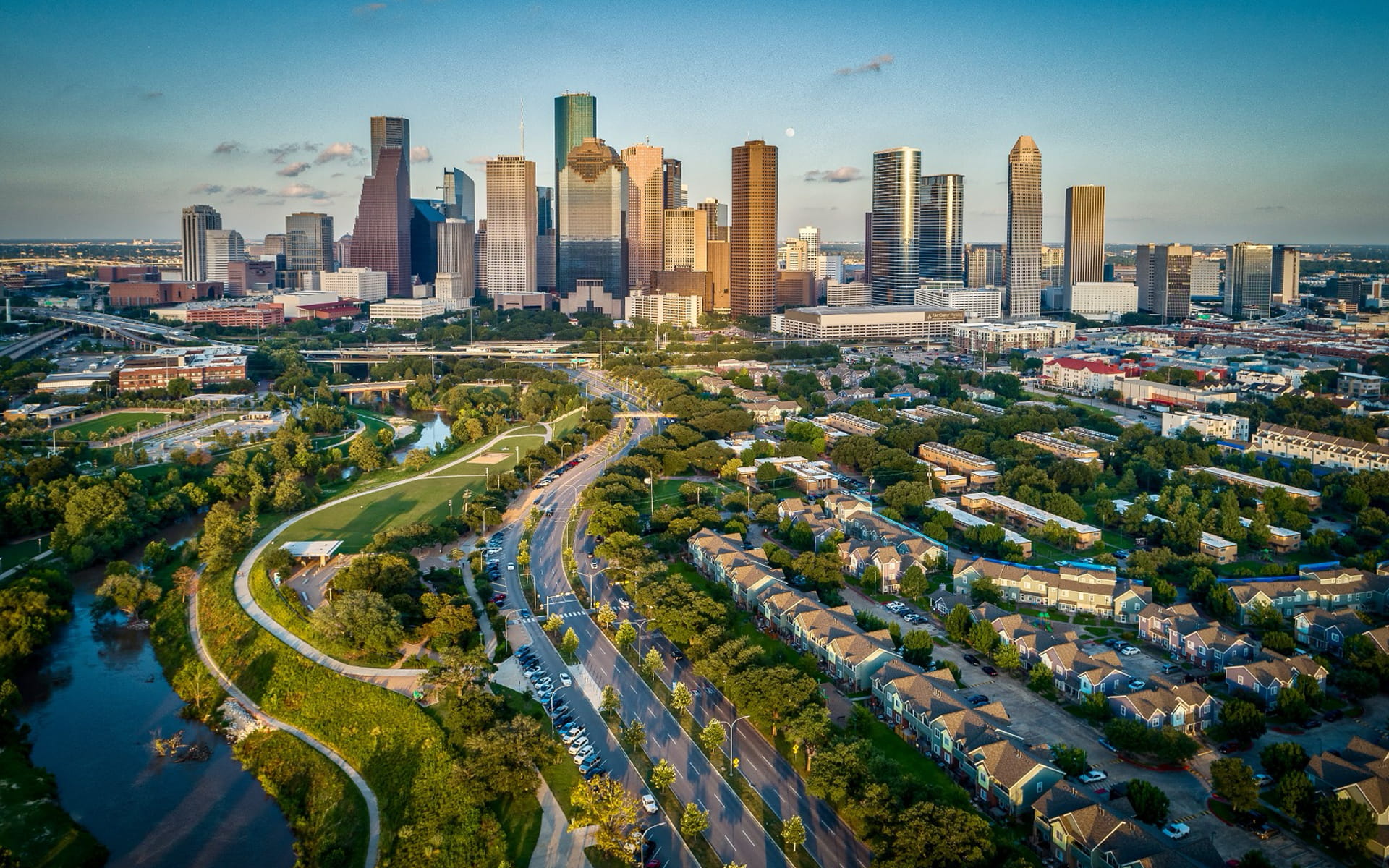
How to Market a New Construction Development in Houston Before It’s Built
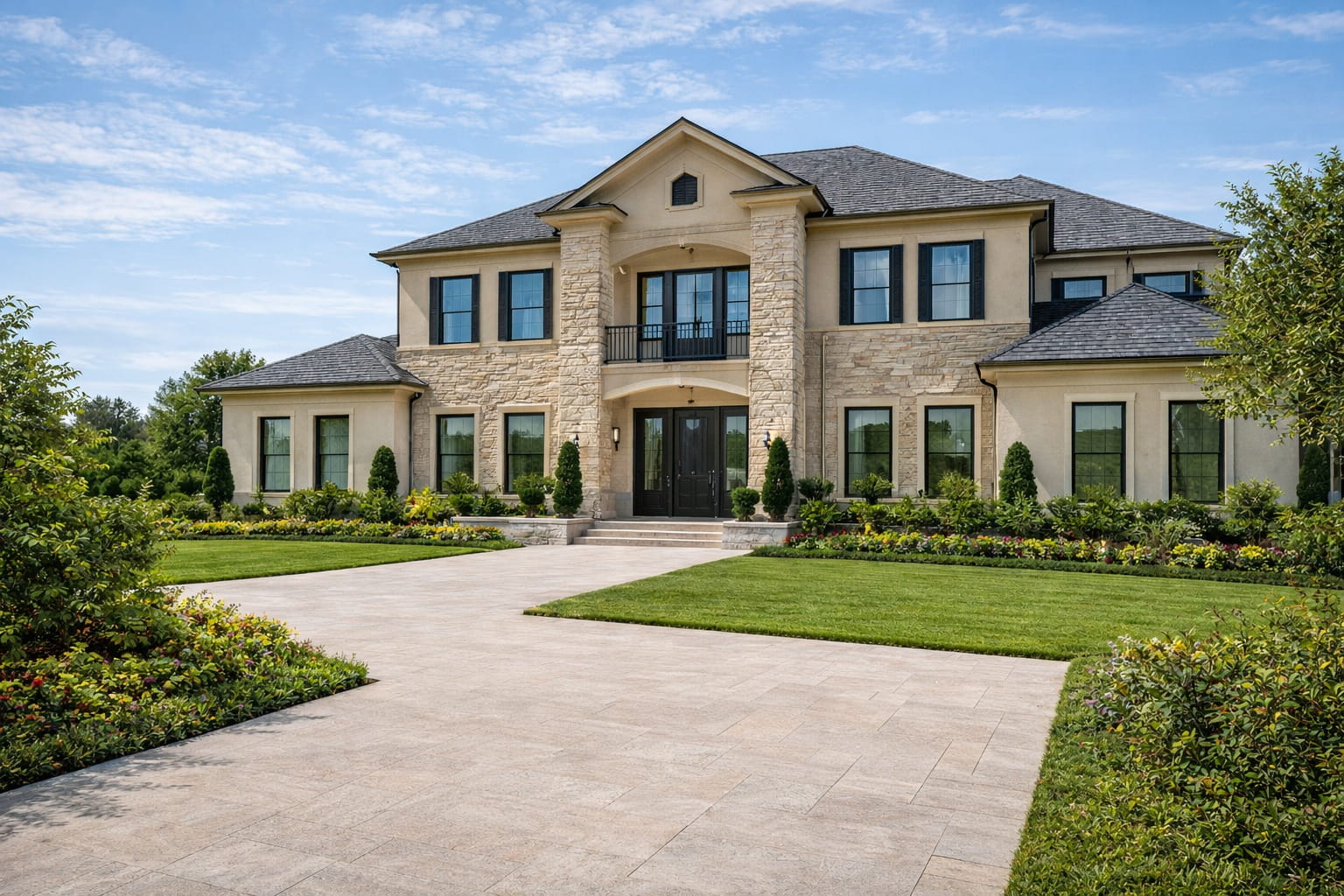
Houston developers do not have to wait for the final coat of paint to begin building demand. In many projects, the strongest launch starts while the development is still in planning, permitting or construction. The goal is not to pretend an unfinished project is finished. It is to give buyers, brokers and referral partners enough clear information to understand what is being built, why it is different and how to take the next step.
That approach is part of how I use AI for real estate agents across research, content, visualization, website development and campaign measurement.
For developers who want a coordinated launch rather than a basic listing, Milica’s Houston new construction marketing services combine real estate representation with project websites, 3D visualization, floor plans, launch materials and buyer-focused lead capture.
Start Marketing Before the Project Is Complete
A common mistake is treating marketing as the final step of construction. By the time professional photography is possible, a developer may have already lost months that could have been used to build awareness, collect inquiries and educate local agents.
Pre-construction marketing can begin once the project has enough reliable information to present accurately. Depending on the stage, that may include approved or near-final plans, elevations, floor plans, a site plan, finish direction, pricing strategy and a realistic construction timeline. The marketing should always distinguish between conceptual material, planned features and completed work.
Houston also has a distinctive development environment. The city does not use traditional zoning, but land development is still governed by subdivision, site-plan, parking, setback and other requirements. Developers can review the City of Houston Planning & Development regulations for current municipal guidance. Marketing should never imply that a design, use or timeline is approved when it is still subject to review.
Define the Buyer Before You Build the Campaign
The strongest campaigns begin with product-market fit. A four-story townhome near Washington Avenue, a luxury custom home near Memorial and a suburban inventory home may all be “new construction,” but the buyer questions are very different.
Before choosing ad creative or writing listing copy, define the product around practical buyer decisions: price range, likely financing profile, location advantages, maintenance expectations, parking, outdoor space, work-from-home needs, finish level, school or commute questions, and how the project compares with nearby resale inventory.
The goal is not to stereotype who should live there. Housing marketing should focus on the property, location and objective lifestyle features while following fair-housing requirements. Houston developers working across several submarkets can use Milica’s Houston neighborhoods guide to connect project positioning with useful local information without relying on vague claims.
Build a Dedicated Project Website
A listing page is useful, but a development often needs more room to tell the story. A dedicated project website or landing page can bring the full buyer journey into one place: project overview, renderings, floor plans, site plan, availability, features, finishes, location highlights, downloadable brochure, FAQ and inquiry form.
The website should answer the questions buyers ask before they are ready to schedule a tour. What is being built? What is included? Which units or plans are available? What does the layout feel like? What is nearby? How can a buyer request details? The page should also make it easy for cooperating agents to understand the project and share it with clients.
For search visibility, avoid creating a thin microsite that duplicates the same paragraph across every unit page. Each important page should have a clear purpose, descriptive title, unique copy, useful visuals and a path back to the main project or brokerage page.
Use 3D Renderings Before Photography Exists
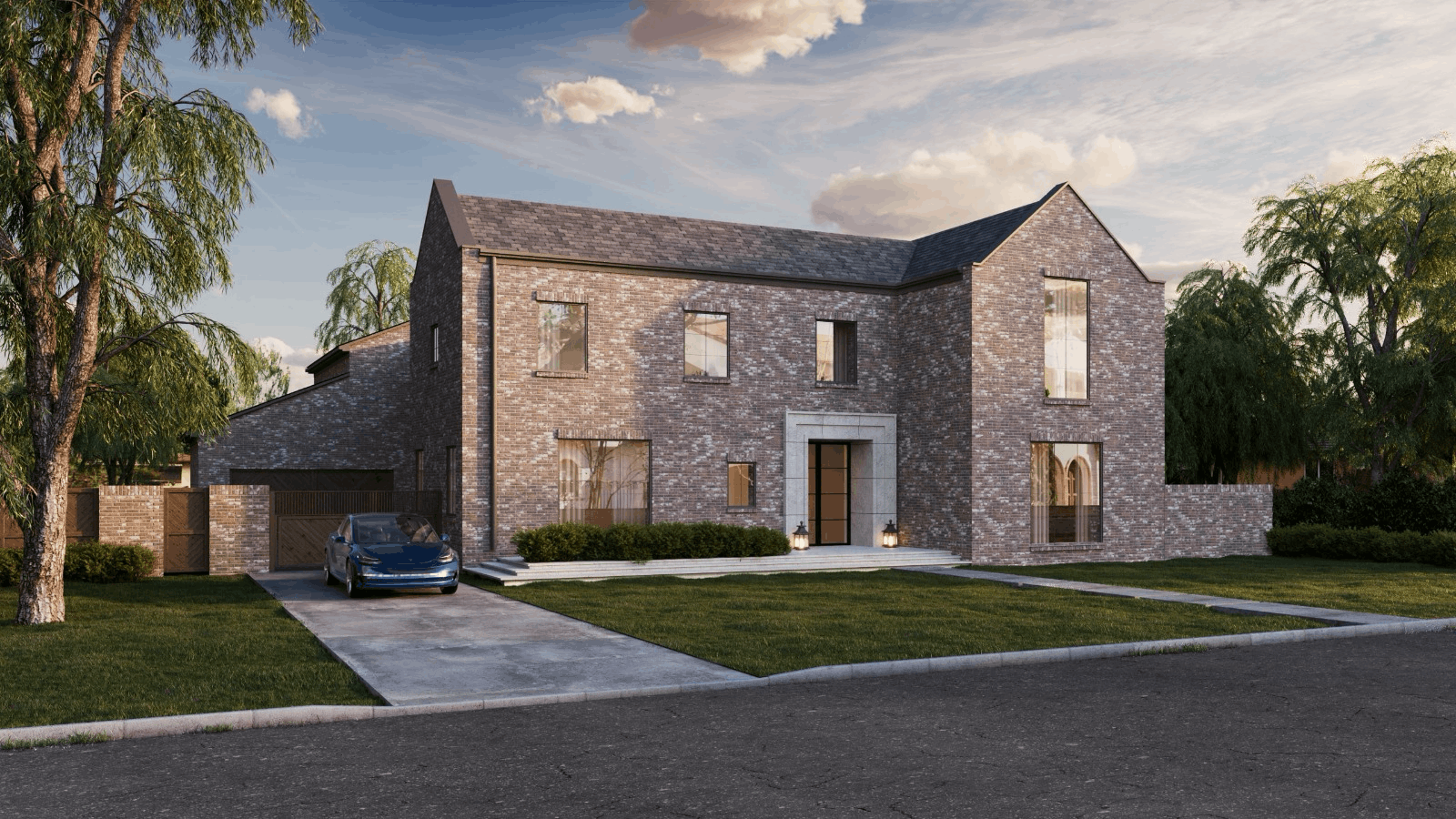
When the finished product cannot yet be photographed, visualization becomes one of the most important sales tools. Exterior renderings can show massing, materials and curb appeal. Interior renderings can communicate the intended finish level and help buyers understand rooms that are still framing or drywall.
The rendering should be accurate enough to support the sales conversation and clearly labeled when it is an artist’s representation. Developers can learn more in the cluster guide to 3D renderings for real estate developers, including how to reuse one set of visuals across the website, MLS-compatible marketing, signage, brochures, social media and broker outreach.
Make Floor Plans and Site Plans Buyer-Friendly
Architectural drawings are essential to the project team, but they are not always easy for a consumer to interpret. A simplified marketing floor plan can help buyers understand room relationships, dimensions, storage, stairs, outdoor areas and parking without forcing them to decode a construction set.
For a multi-unit development, the site plan can be equally important. Buyers should be able to see where each unit sits, which way it faces, where driveways or common areas are located and which inventory is available, reserved or sold. Clear unit naming also prevents confusion later when several homes share similar floor plans.
Build a Pre-Sales Strategy
Pre-sales are not just about putting a “coming soon” graphic online. They require a process for turning early interest into qualified conversations. That means collecting contact information, recording which plan or unit a prospect prefers, setting expectations around construction and release timing, and following up with meaningful updates.
A strong pre-sales campaign may include a priority-interest list, private previews for agents, progress updates, finish selections, release announcements and clear next-step calls to action. For a deeper workflow, see how to pre-sell new construction homes in Houston.
Create a Broker and Agent Outreach Plan
Houston is an agent-driven market, so developers should market to the brokerage community as well as directly to consumers. A polished broker package can include the project story, renderings, floor plans, pricing or release information, construction status, showing or appointment instructions and contact information.
The purpose is to make it easy for another agent to understand the product quickly and confidently explain it to a buyer. If the development changes, the broker-facing materials should change too. Old price sheets and outdated availability create friction and can damage confidence.
Turn Construction Progress Into Content
Construction itself creates a natural content calendar. Foundation work, framing, windows, exterior materials, cabinetry, lighting, landscaping and final finishes can each become an update. These posts are more effective when they explain why the milestone matters rather than simply showing a jobsite photo.
A developer can also use progress content to bridge the gap between renderings and final photography. Early in the project, visuals may be mostly digital. As construction advances, real photos should gradually take over so buyers can see the project becoming tangible.
Plan the Launch, Not Just the Listing Date
A coordinated launch should answer three questions: who needs to hear about the project, what do they need to see, and what should they do next? That may include the project website, email, social media, paid campaigns, broker outreach, signage, listing activation, open-house or preview events and retargeting for prior inquiries.
Developers with multiple units should also think about inventory release strategy. Releasing everything at once may make sense in some projects; in others, staged releases help concentrate marketing and provide clearer pricing feedback. The sales strategy should be coordinated with the developer’s financial plan, construction schedule and brokerage representation.
Connect the Project to the Neighborhood
New construction does not sell in a vacuum. Buyers are evaluating the block, commute, retail, parks, nearby development, schools where relevant, flood considerations and resale competition. Project content should therefore connect to useful local pages instead of stuffing the same city keyword into every paragraph.
For example, a project in an established inner-loop area can link to the relevant neighborhood guide, while a luxury project can connect naturally to Milica’s Houston luxury real estate resource. This gives buyers more context and strengthens the site’s topical relationship between the development service and the markets where Milica already works.
New Construction Marketing Checklist for Houston Developers
Before launch, confirm that the project has:
- A defined buyer proposition and accurate project facts
- Approved marketing language
- A project website or landing page
- Renderings where needed
- Buyer-friendly floor and site plans
- Photography as construction allows
- Inventory and pricing controls
- Lead capture and tested inquiry forms
- Broker outreach materials
- A follow-up process and clear call to action
The developer should also decide who owns updates. One person or team should be responsible for keeping availability, pricing, construction status and project visuals consistent across the website, listing portals, brochures and social channels.
How Milica Can Help Market a Houston New Construction Project
A developer may need different support at different stages. Through Milica’s developer-focused real estate and marketing approach, the project can be supported from early presentation through launch, inquiry handling and listing execution. Learn more about Milica’s Houston new construction marketing services.
- Listing Representation: Strategic project representation coordinated around inventory, buyer interest and the sales process.
- Custom Project Websites & Landing Pages: Dedicated digital experiences presenting the project story, plans, availability, visuals, downloads and inquiry paths.
- 3D Exterior and Interior Renderings: Visualization that helps buyers, brokers and investors understand the architecture, finishes, layout and intended lifestyle before completion.
- Floor Plans & Site Plans: Buyer-friendly presentation that makes layouts, unit relationships, site orientation and inventory easier to understand.
- Virtual Tours & Interactive Experiences: Tools that make future inventory more tangible when buyers cannot yet walk the completed product.
- Launch Campaign Support: Coordinated marketing assets designed to build awareness and buyer engagement.
- Pre-Sales Marketing Strategy: Buyer messaging, release timing, progress content and broker outreach before completion.
- Lead Capture & Inquiry Support: Forms and intake designed to organize and support qualified buyer inquiries.
The services can be used selectively or as part of a coordinated project launch. Request a project review to discuss the project type, stage, location, inventory and marketing needs.
Frequently Asked Questions
When should I start marketing a new construction project in Houston?
Marketing can often begin before completion once the project has enough reliable information to present accurately. The right timing depends on design status, approvals, construction schedule, pricing and what buyers can reasonably be promised at that stage.
Do I need a separate website for a new development?
Not every single home requires a microsite, but multi-unit, luxury or pre-construction projects often benefit from a dedicated landing page that organizes renderings, plans, availability, features, location information and lead capture.
Can I market a home before professional photography is available?
Yes. Developers commonly use approved renderings, floor plans, site plans and construction progress photography before final photography is possible. Marketing should clearly distinguish renderings or conceptual visuals from completed conditions.
What is the difference between marketing a development and listing a home?
A listing focuses on one available property. Development marketing may also require project branding, pre-sales, inventory management, site plans, multiple floor plans, a project website, broker outreach, staged releases and ongoing construction updates.